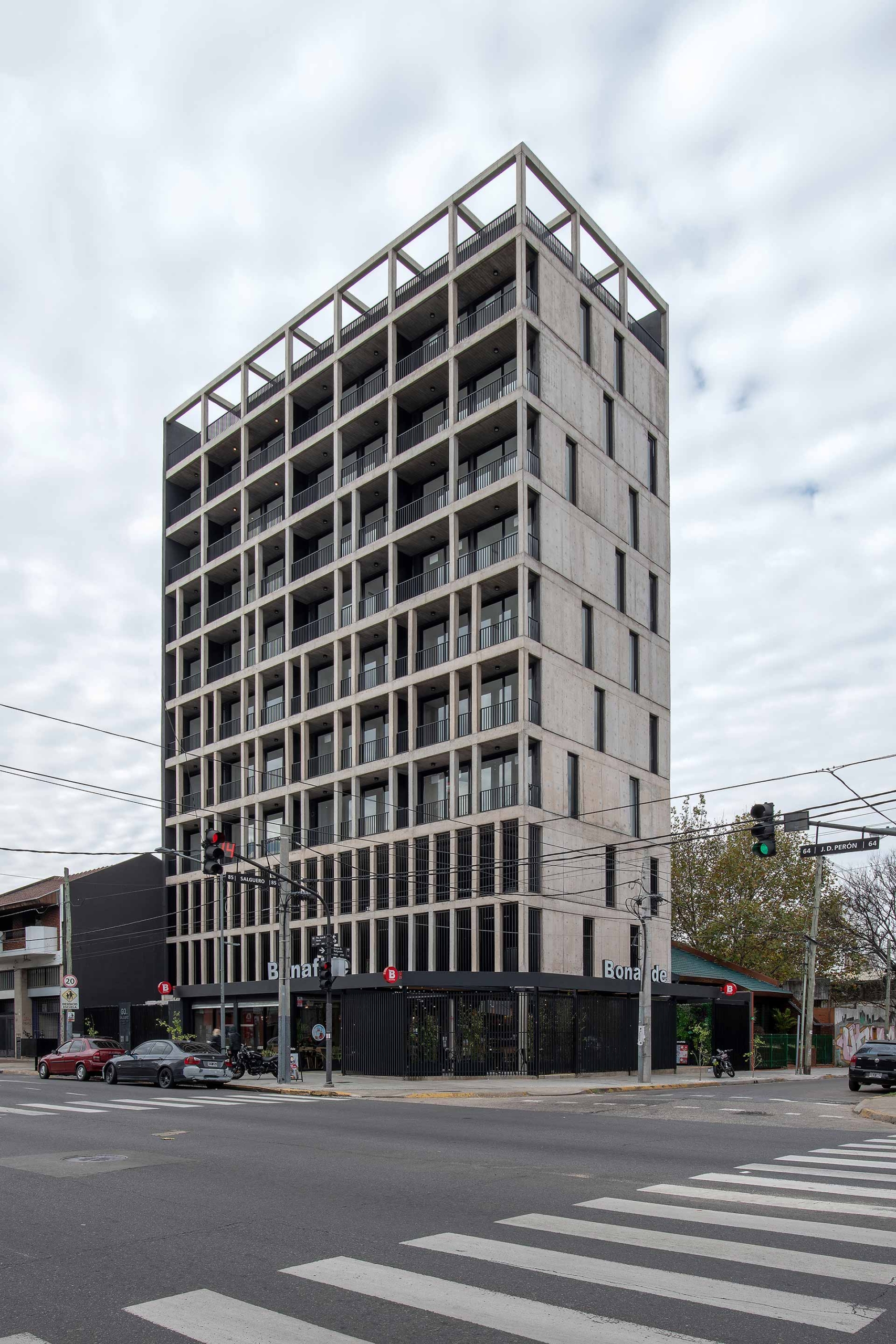
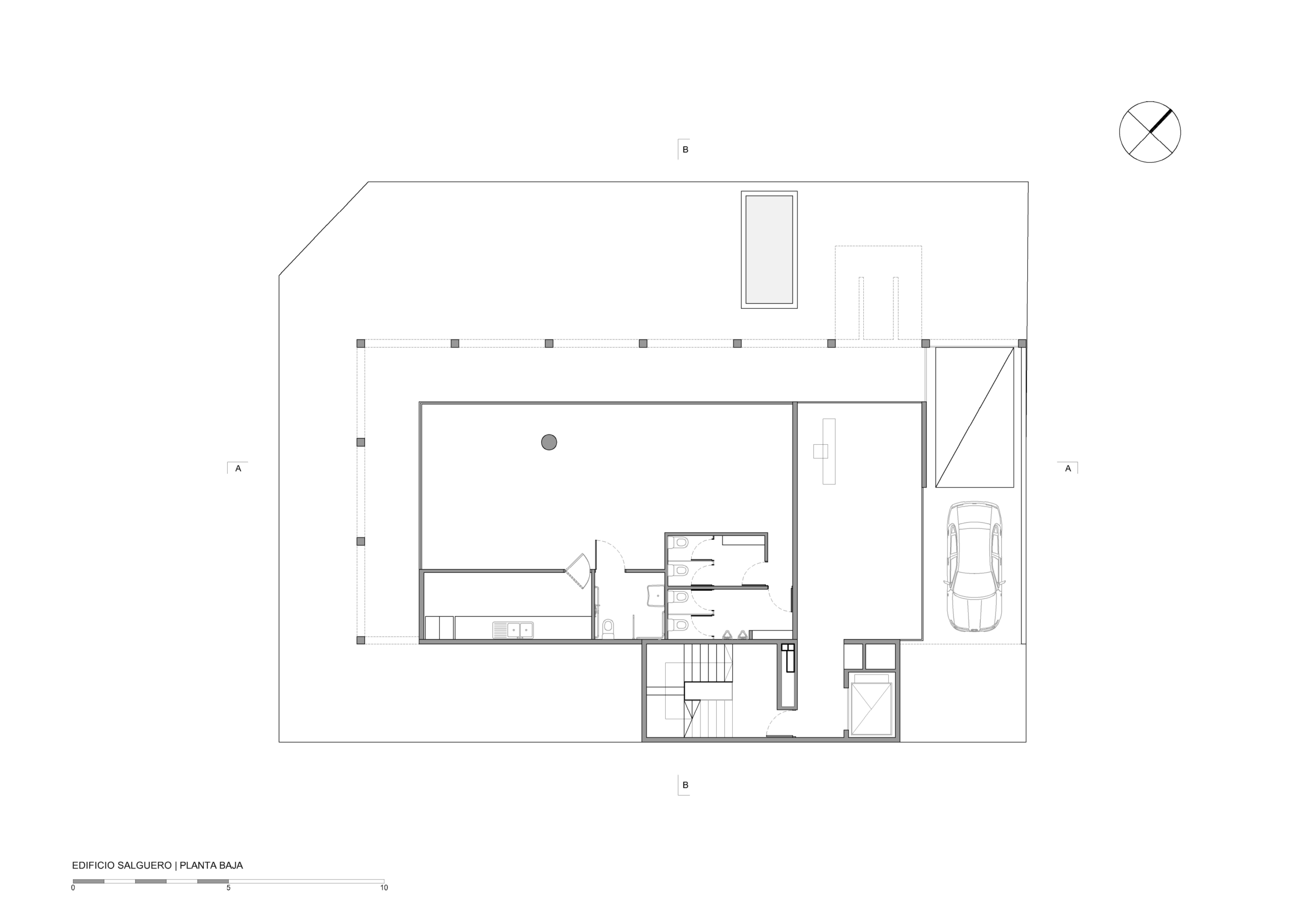
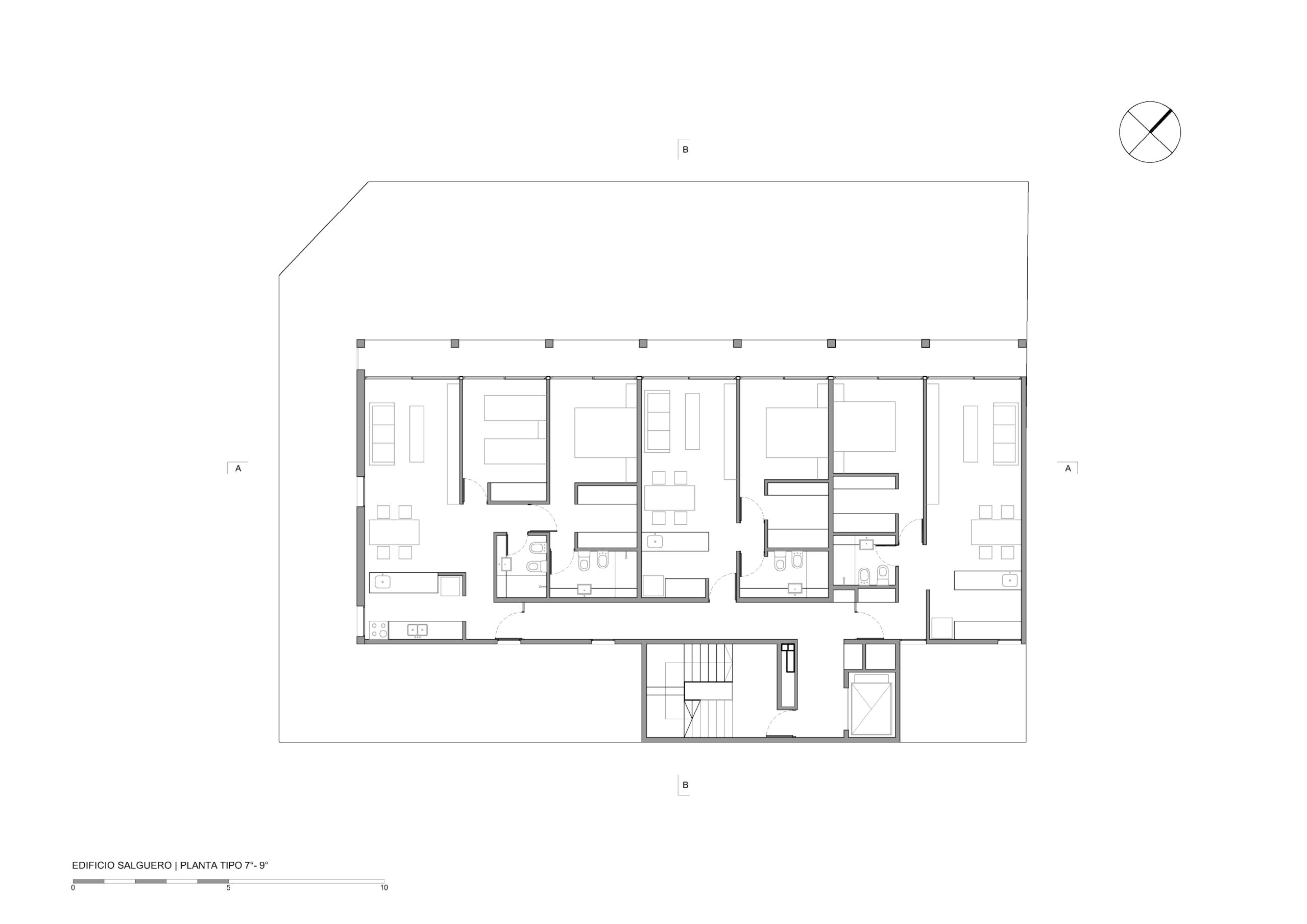
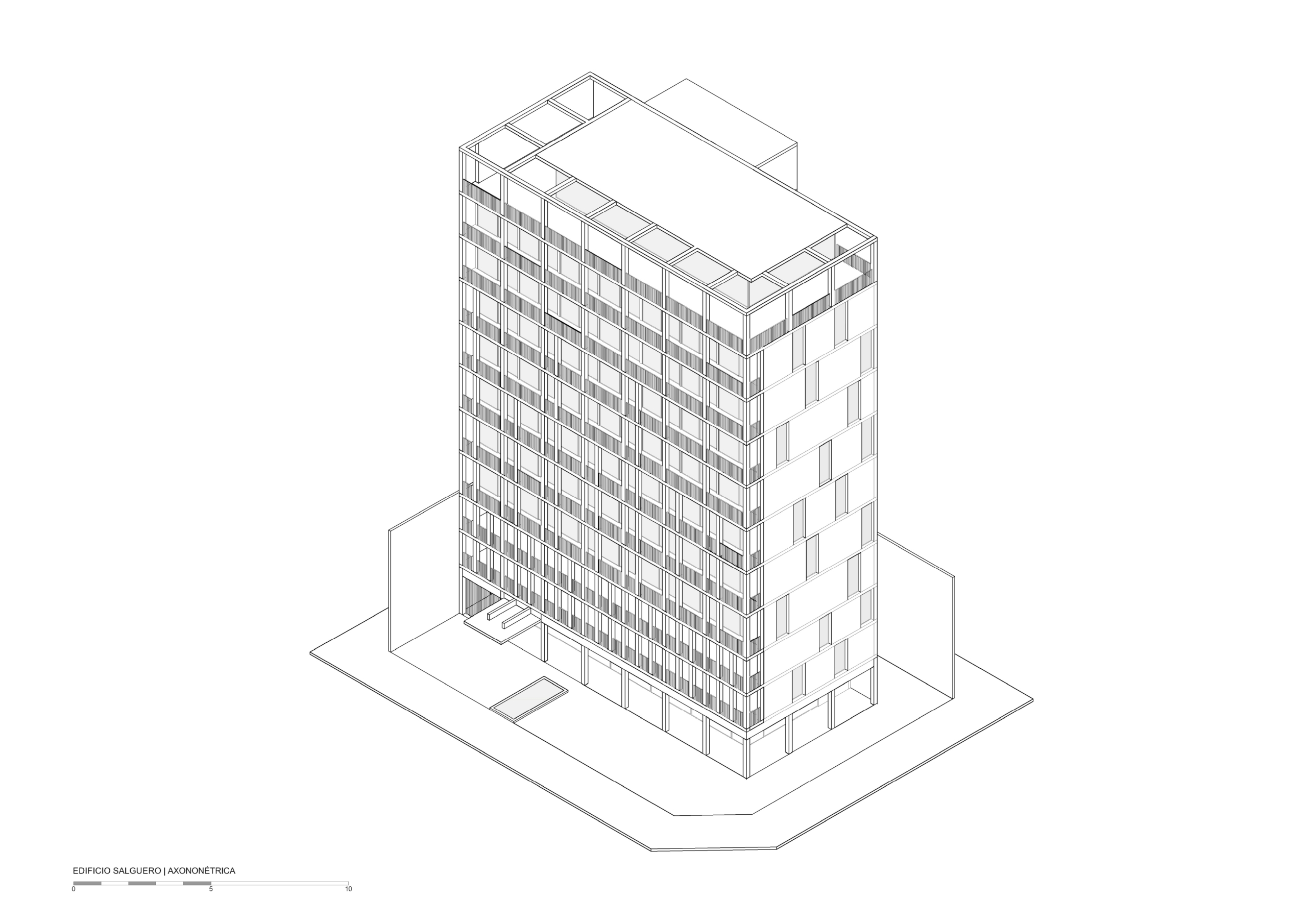
Implemented in a corner of a tissue suburban San Martín, Urban Frame is presented as a piece autonomous and compact compared to a city heterogeneous and fragmented. Your condition of perimeter of semi-free allows for the release of three of its sides and build a direct relationship between the building and the urban environment.
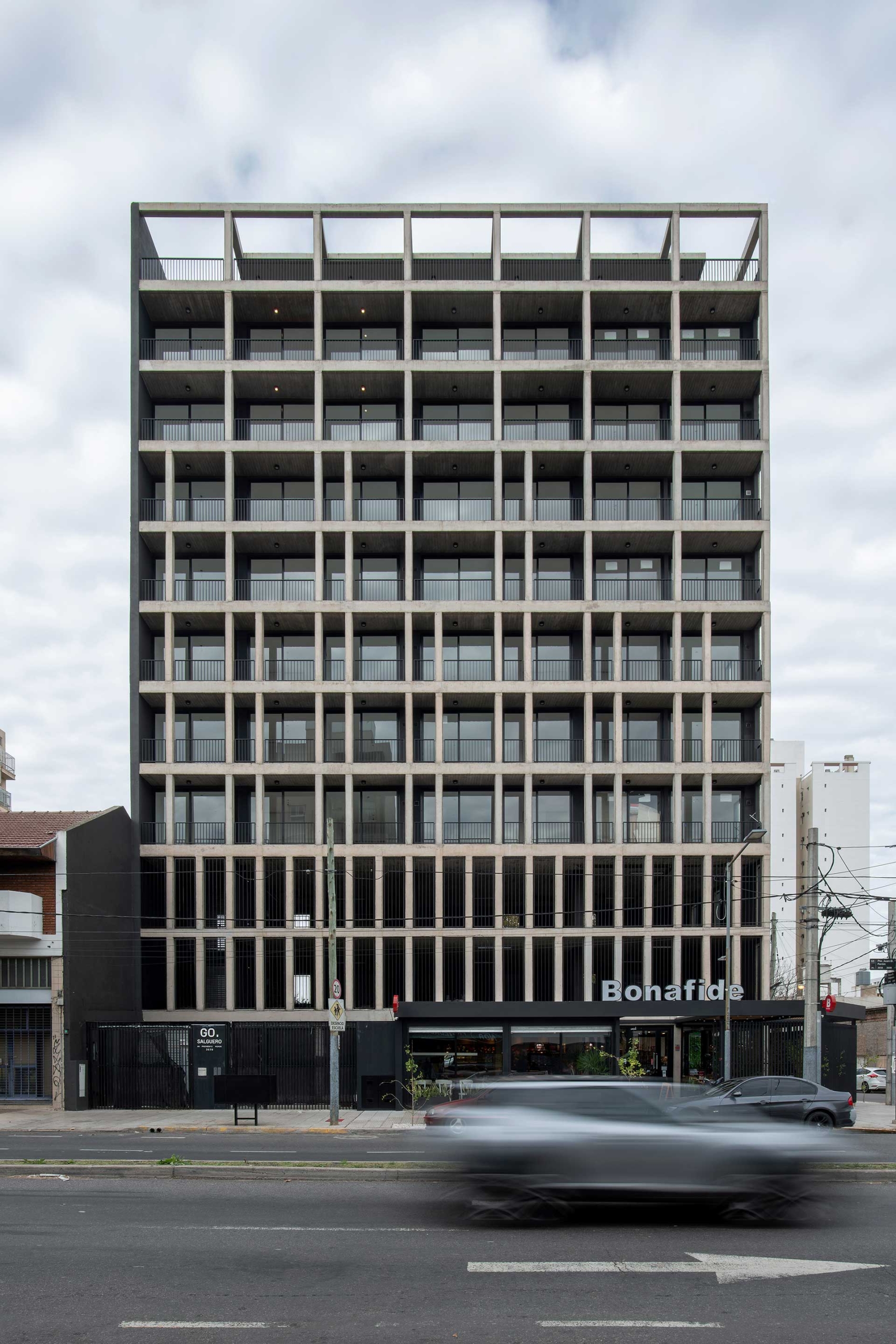
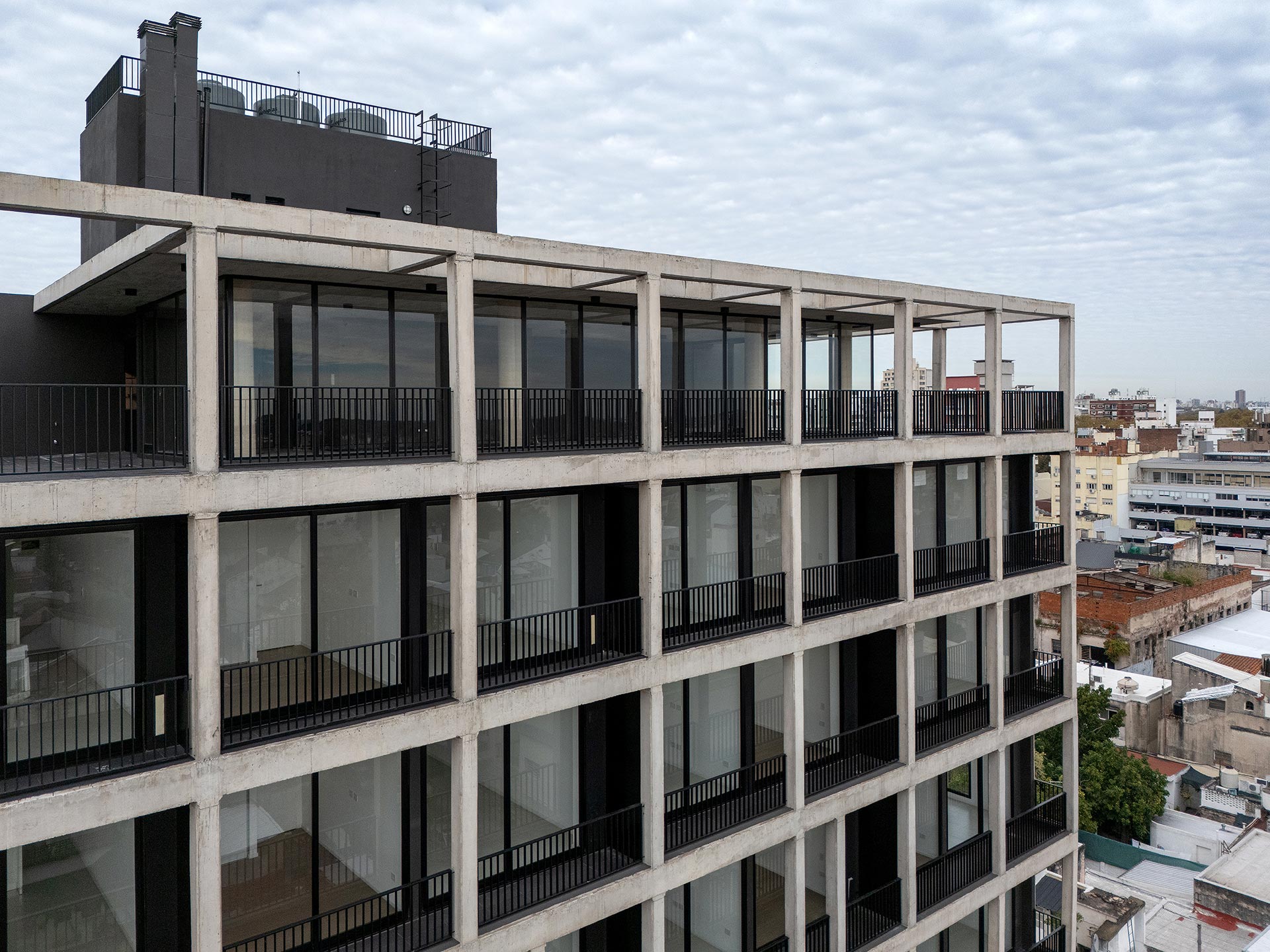
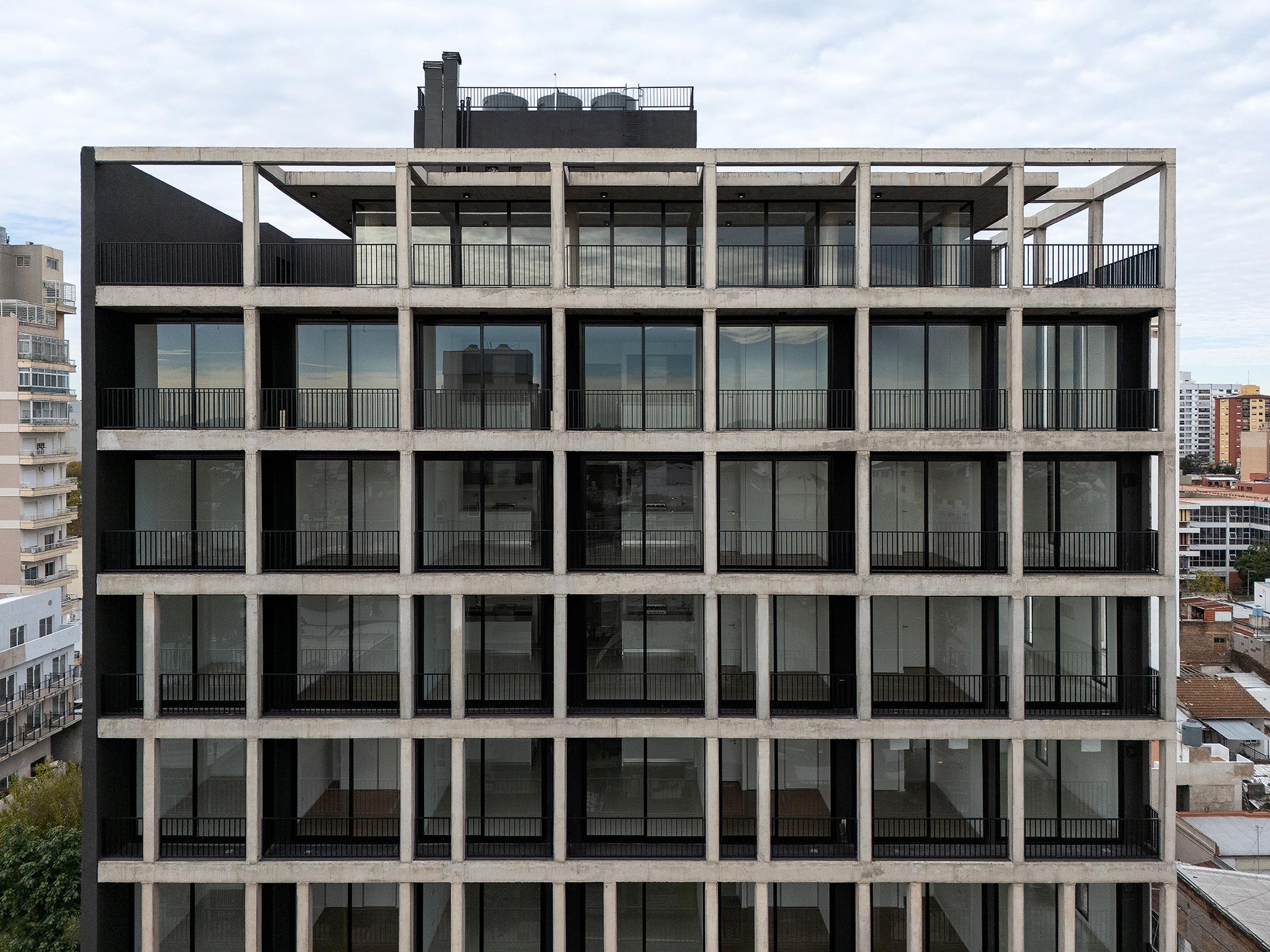
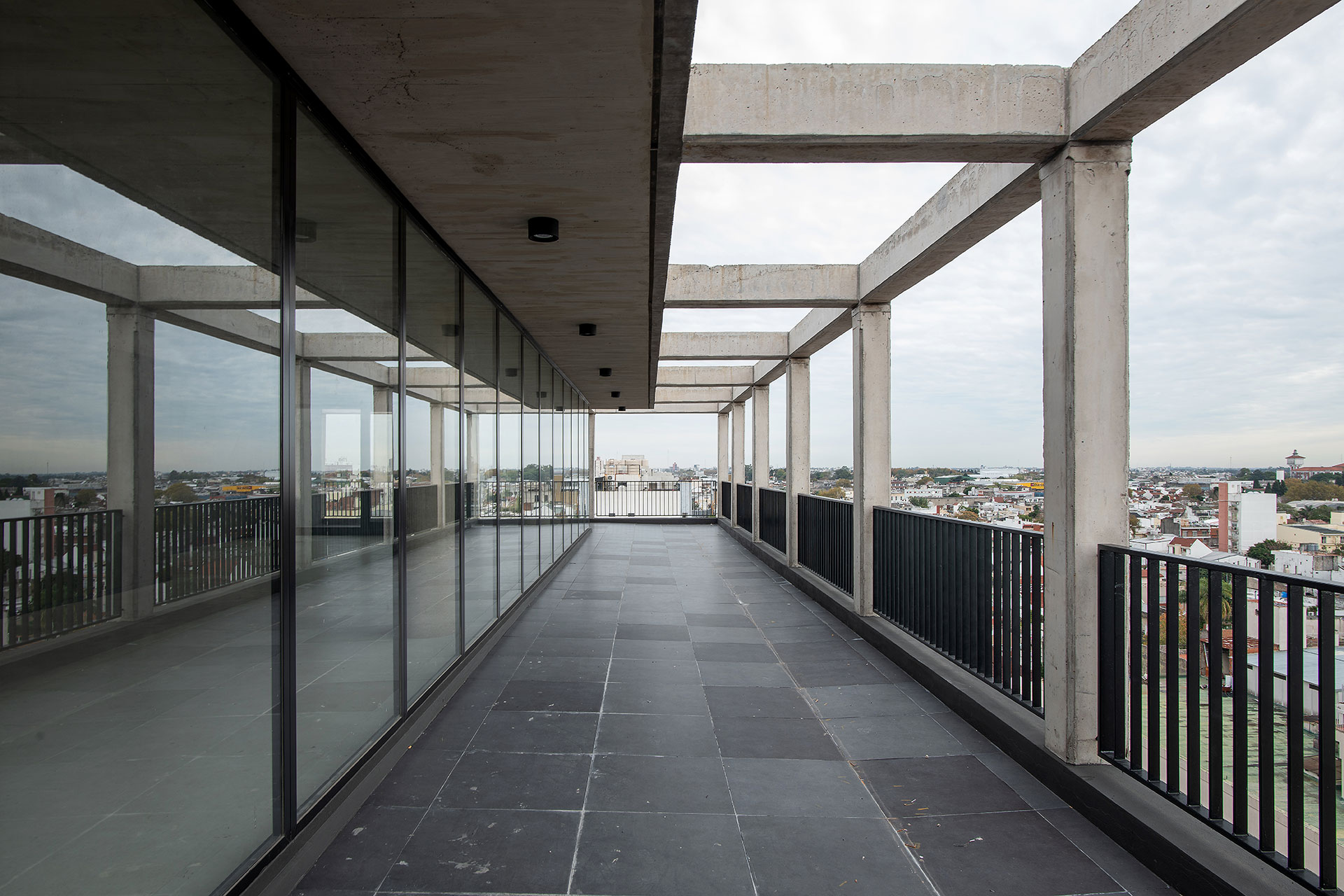
The project, part of a pure volume crossed by a grid concrete structural seen. More than just a supporting structure, this frame sets the order constant that is able to absorb the diversity of the program and, at the same time, build an identity unit for the entire building.
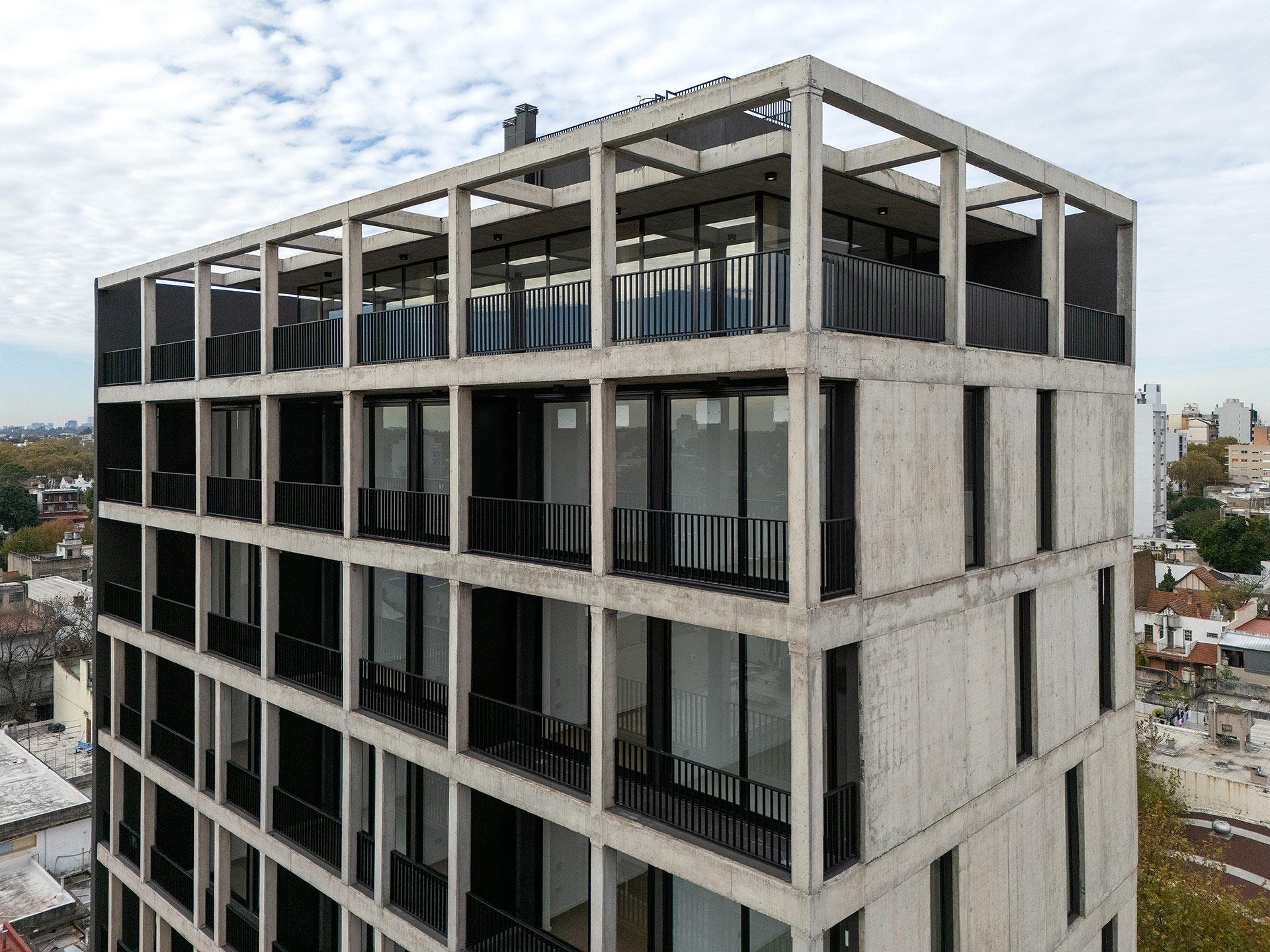
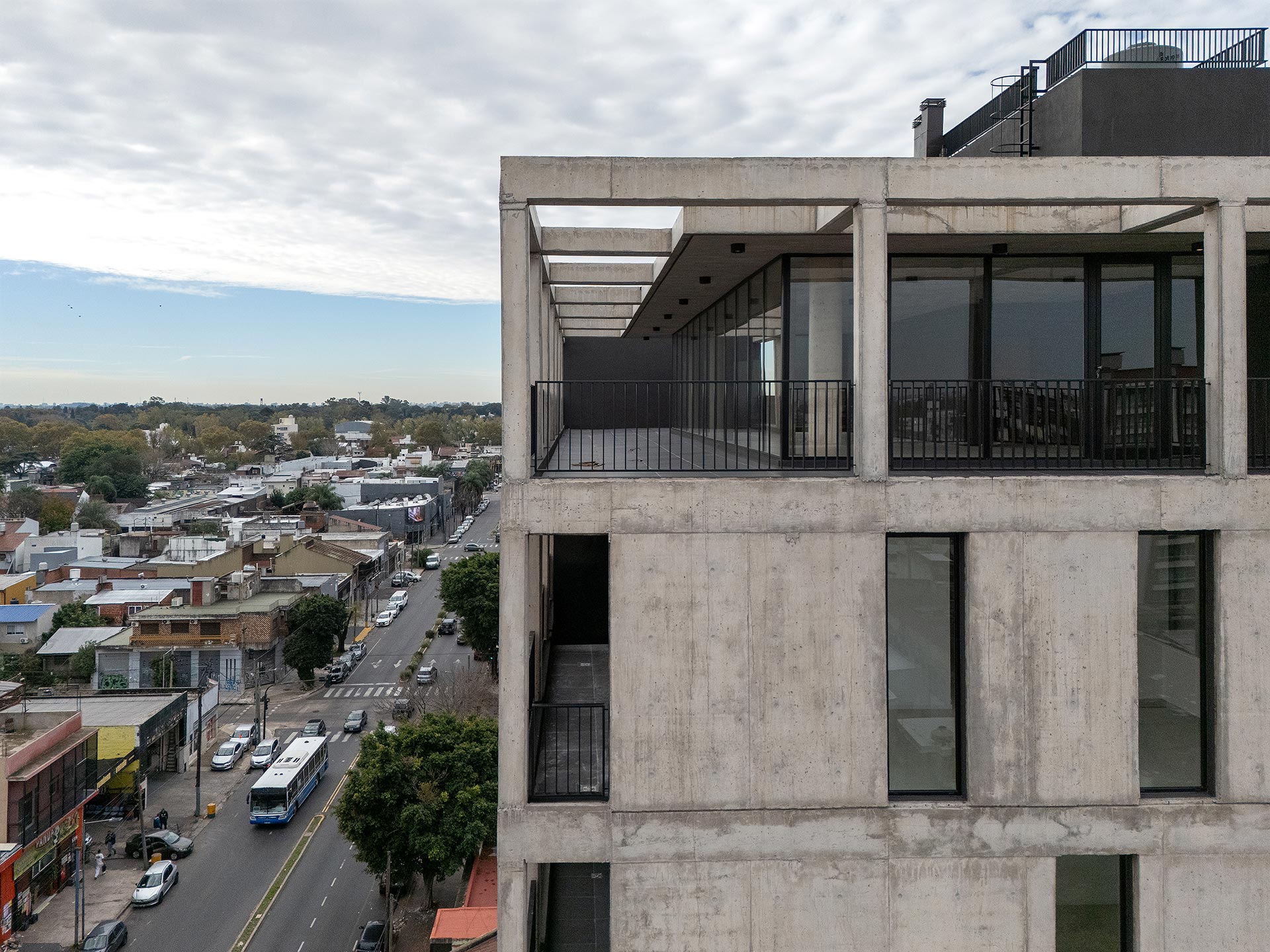
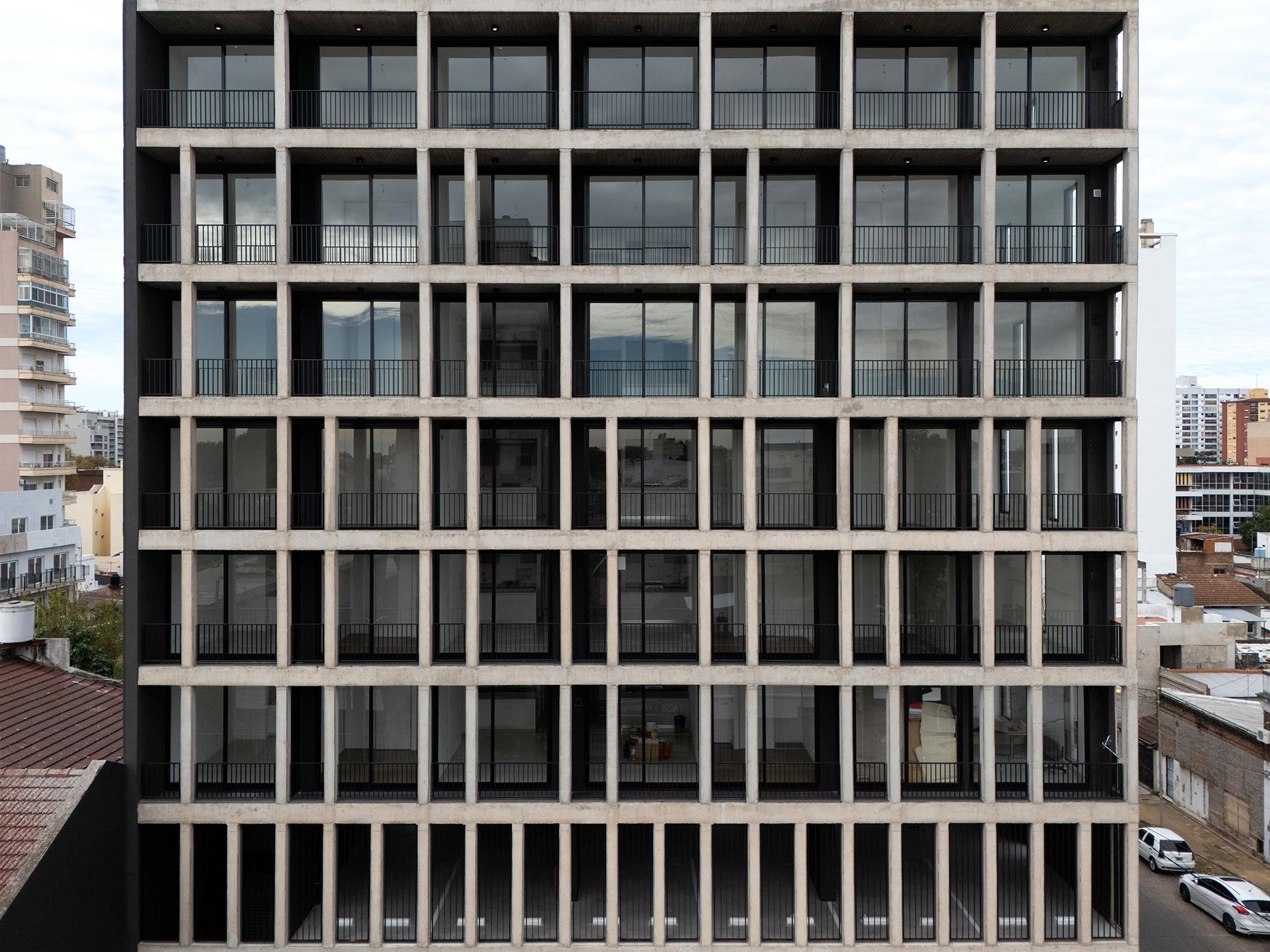
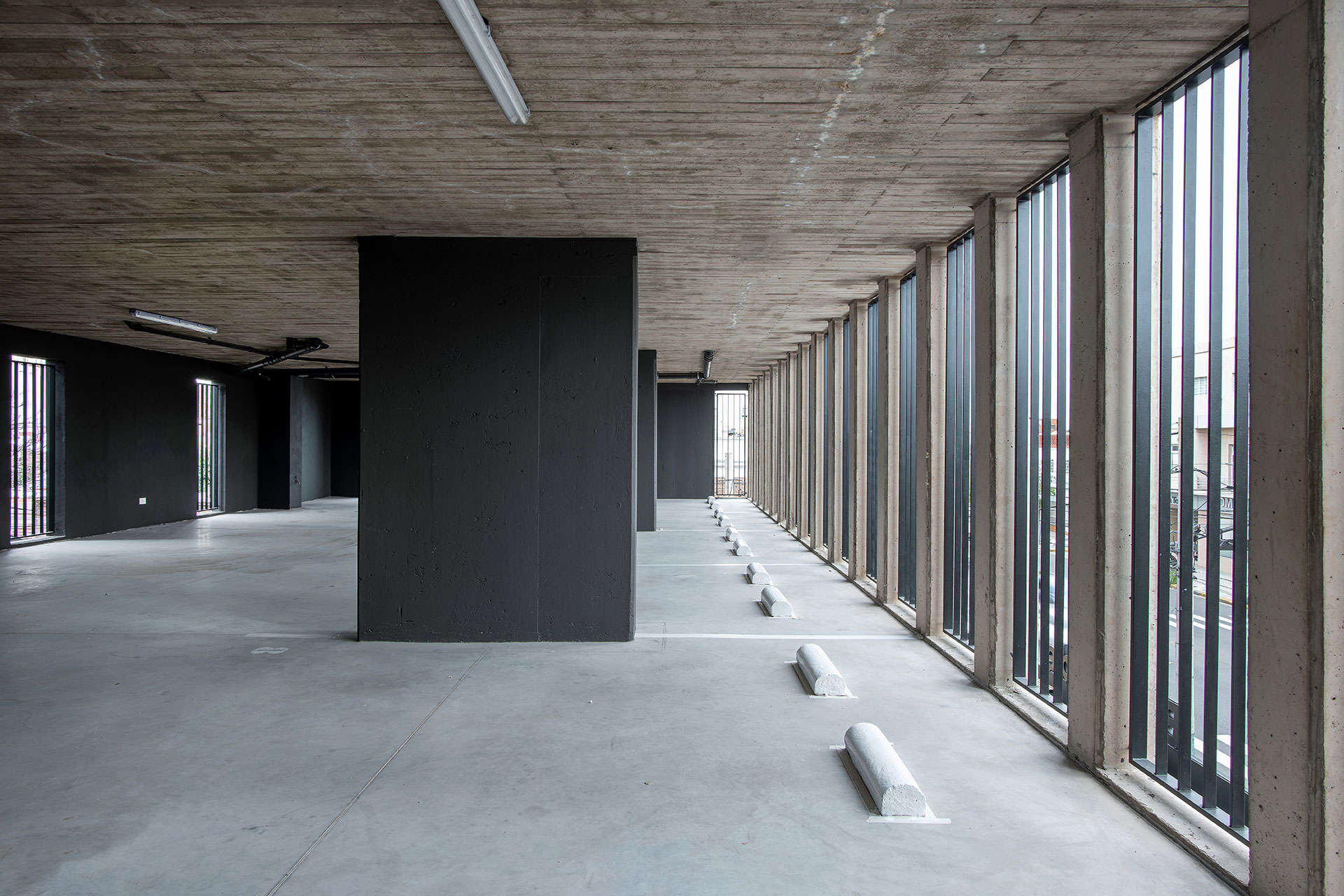
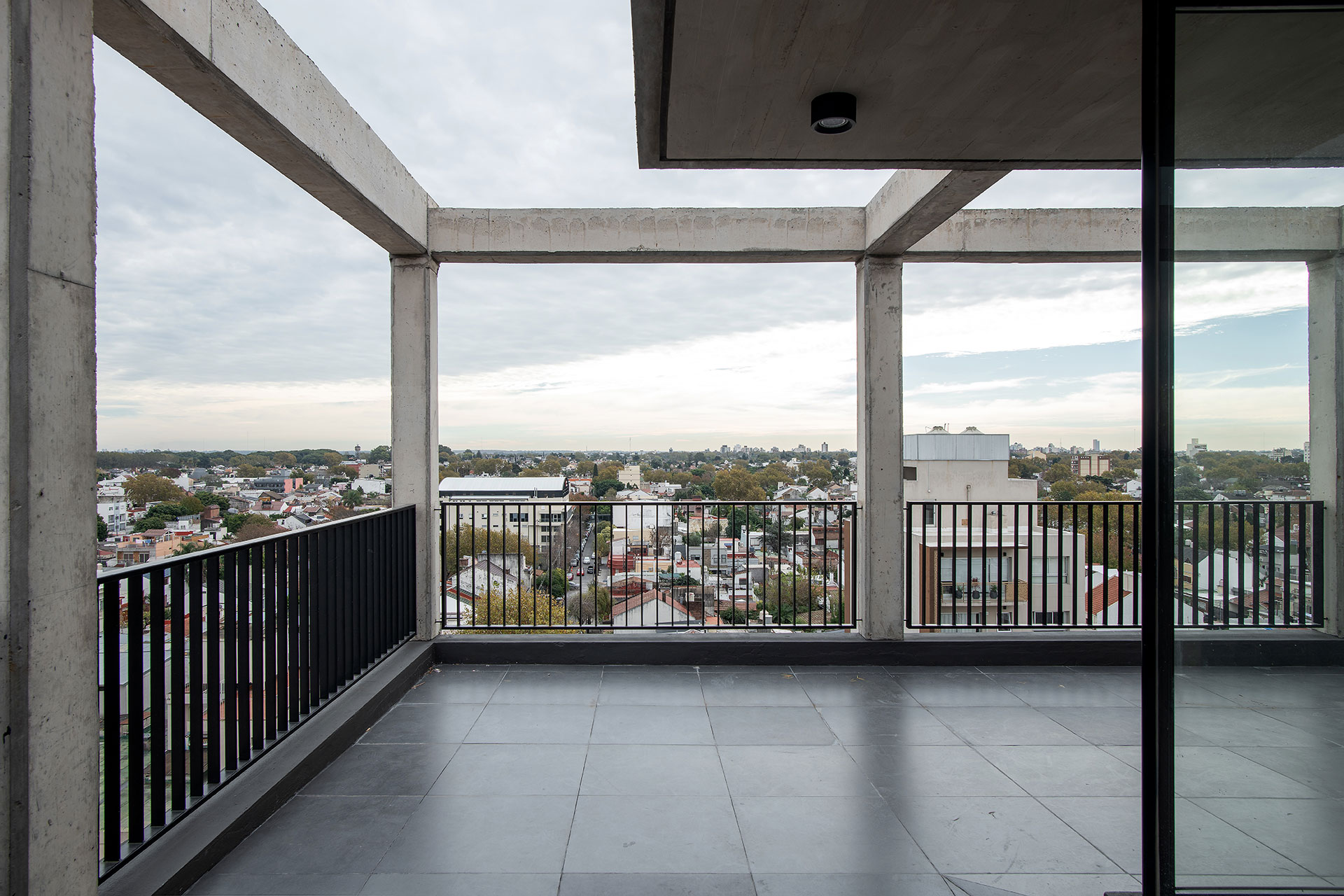
The grid is modified progressively in density according to the needs of each level. In the first story, for the parking lot, the structure is intensified; as the building ascends, and are the homes, the pace is opened until you reach the last level, where the volume built retracts and the structure is once again exposed, surrounding the multi-purpose room and its terrace edge.
In front of the logic usual housing collective, where each unit and each balcony tend to express themselves individually, Urban Frame proposes a continuous reading. The different typologies —units of one -, two-and three-rooms— disappear behind a common order: the building ceases to be perceived as a superposition of departments to become a single piece.
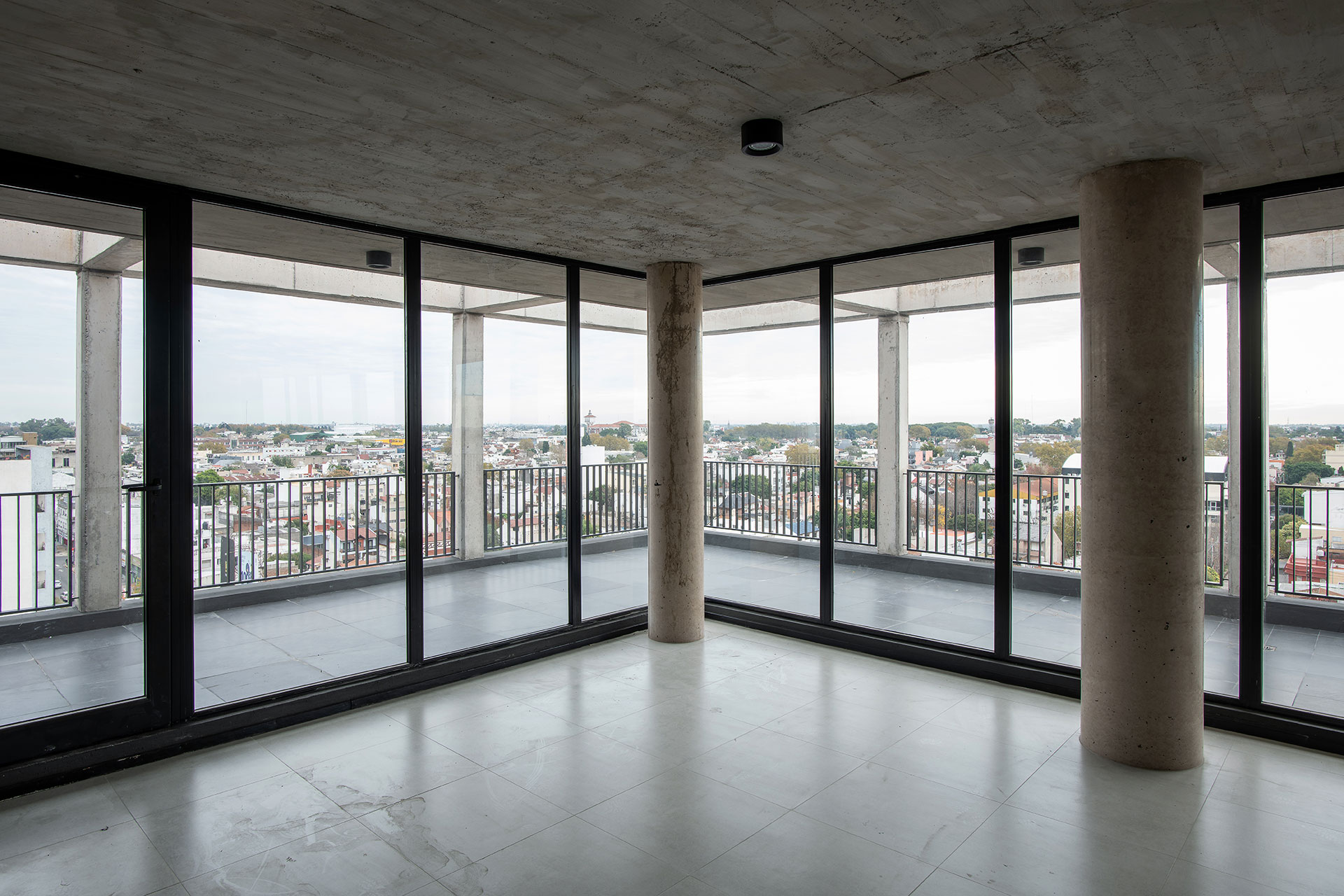
But the grid also builds an intermediate space between the intimacy of the home and the city. From the inside, each module is transformed into a framework that cuts fragments of the environment: streets, buildings, trees, and sky appear contained within a geometry accurate. The structure commands and not only the facade, but also the way to look at the city.
From the outside, the plot introduces a regular basis in front of the condition changing urban fabric; from the inside, filters, and frames that same landscape. Between the two appears a thickness, a limit that does not completely separates the public from the private, but it establishes a transition between them.
Urban Frame thus proposes an architecture where the structure and expression become the same thing: an abstract system able to contain different ways of living and, at the same time, build an order from which interact with the complexity of the city.